
/filters:format(webp)/prod01/channel_6/media/minesedu/site-assets/images/program-finder-photos-/Underground-Construction-and-Tunnel-Engineering-Grad-MS-T.jpg)
National Leadership
Welcome to Colorado School of Mines, where our faculty and students are driving national leadership in energy innovation, grid resilience, critical mineral security, quantum science and mission-focused research with partners across the federal landscape.
I invite industry, government and academic collaborators to join us as we expand our role in strengthening national security and enhance our position as a first-choice partner for the nation’s most pressing scientific and security challenges.
— Andrew Lattanner, Mines Director of Federal Relations
Mines + Government: Initiatives + Impact
Together, Mines and its partners advance the expertise in energy science, critical minerals and advanced technologies that underpin the United States’ strategic resource needs.
Critical Minerals

Critical Minerals
Mines advances critical mineral discovery, extraction, processing and recycling, providing the scientific, economic and geopolitical expertise needed to secure the nation’s mineral supply chains.
Semiconductors
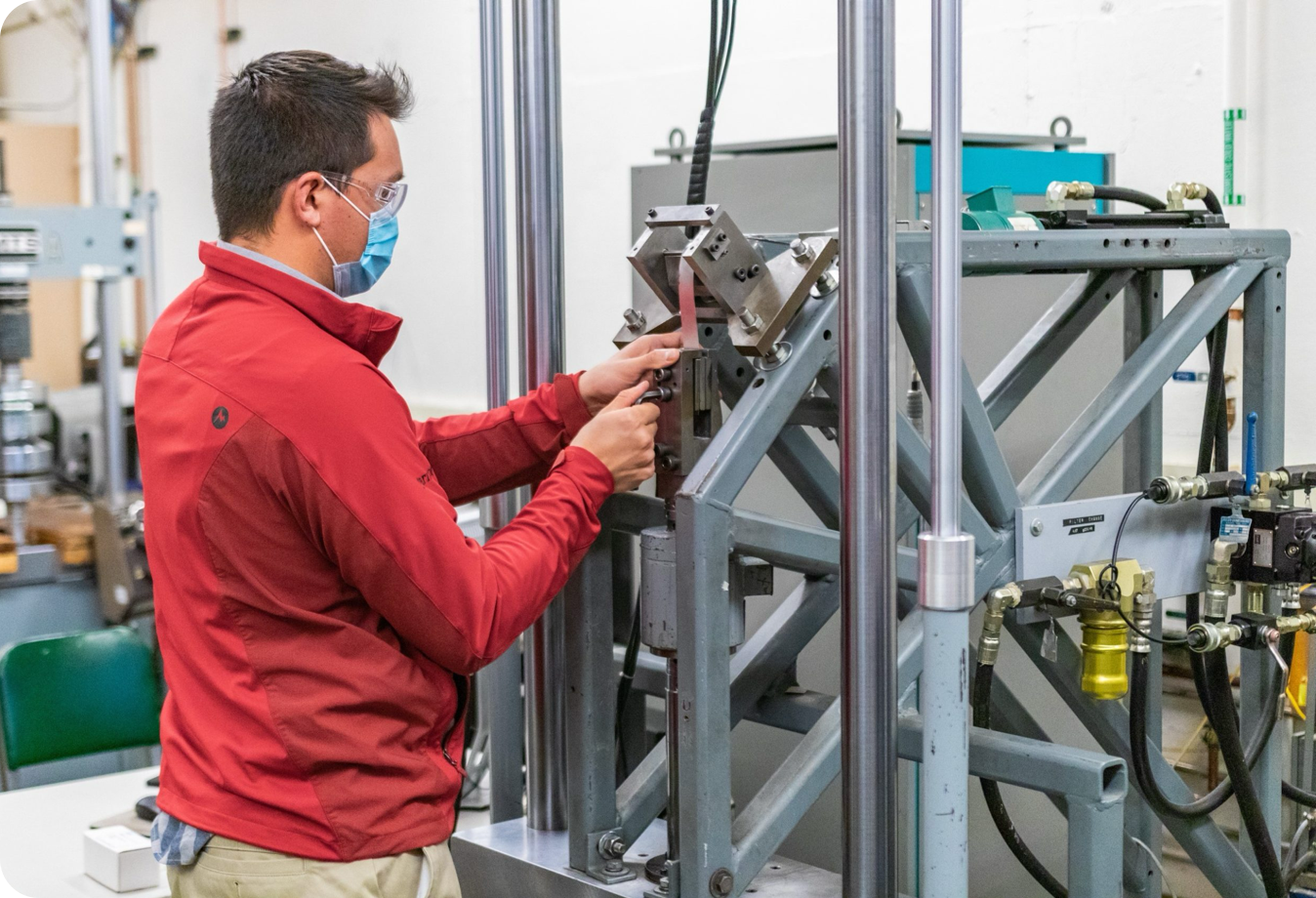
Semiconductors
Mines ensures U.S. semiconductor competitiveness with expertise in materials science and advanced manufacturing aligned with defense and CHIPS-era priorities.
Supply Chain Resilience
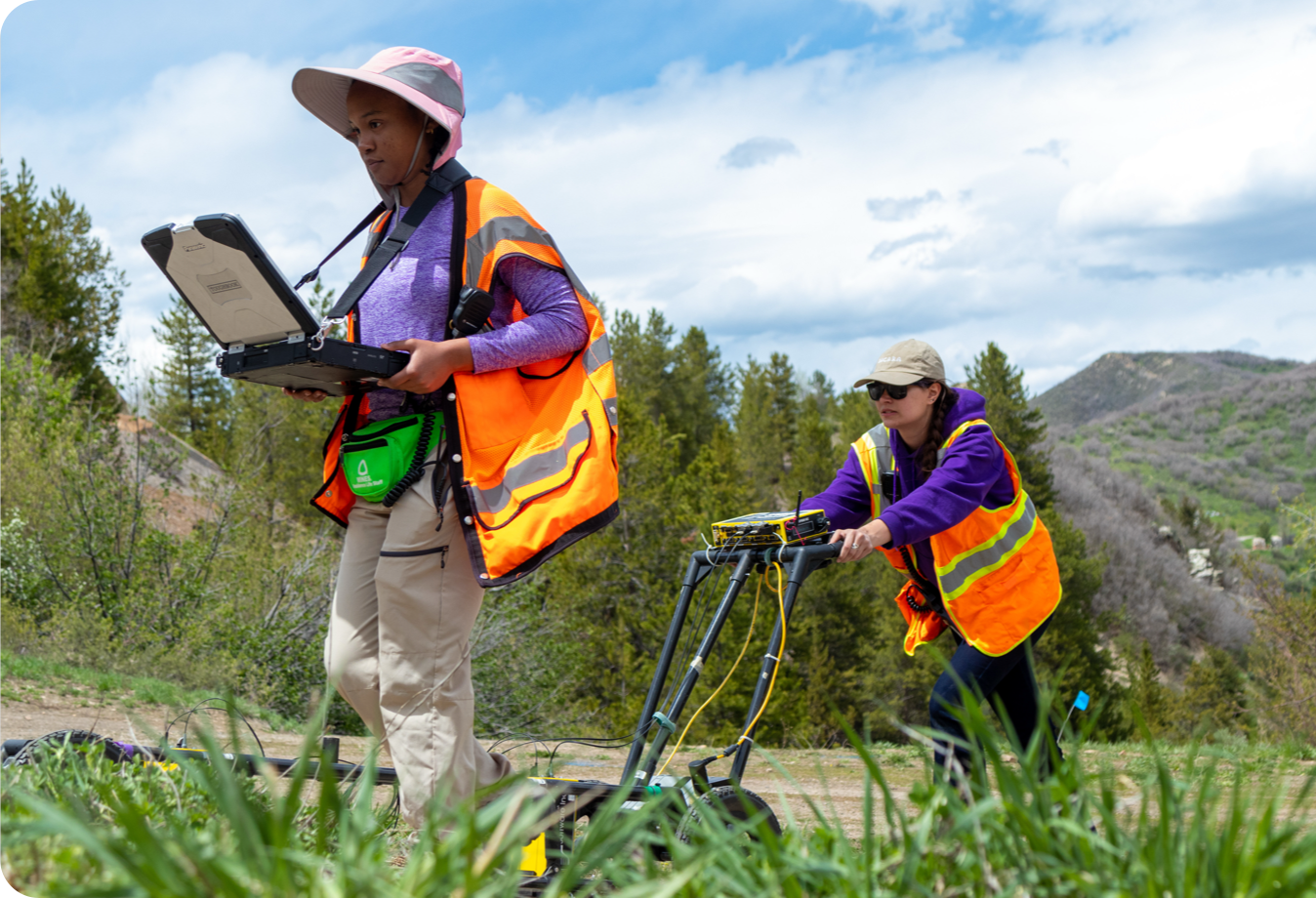
Supply Chain Resilience
Mines delivers data-driven analysis, engineering solutions and policy insight that fortify supply chains for energy, minerals and advanced technologies essential to economic and national security.
Space Economy
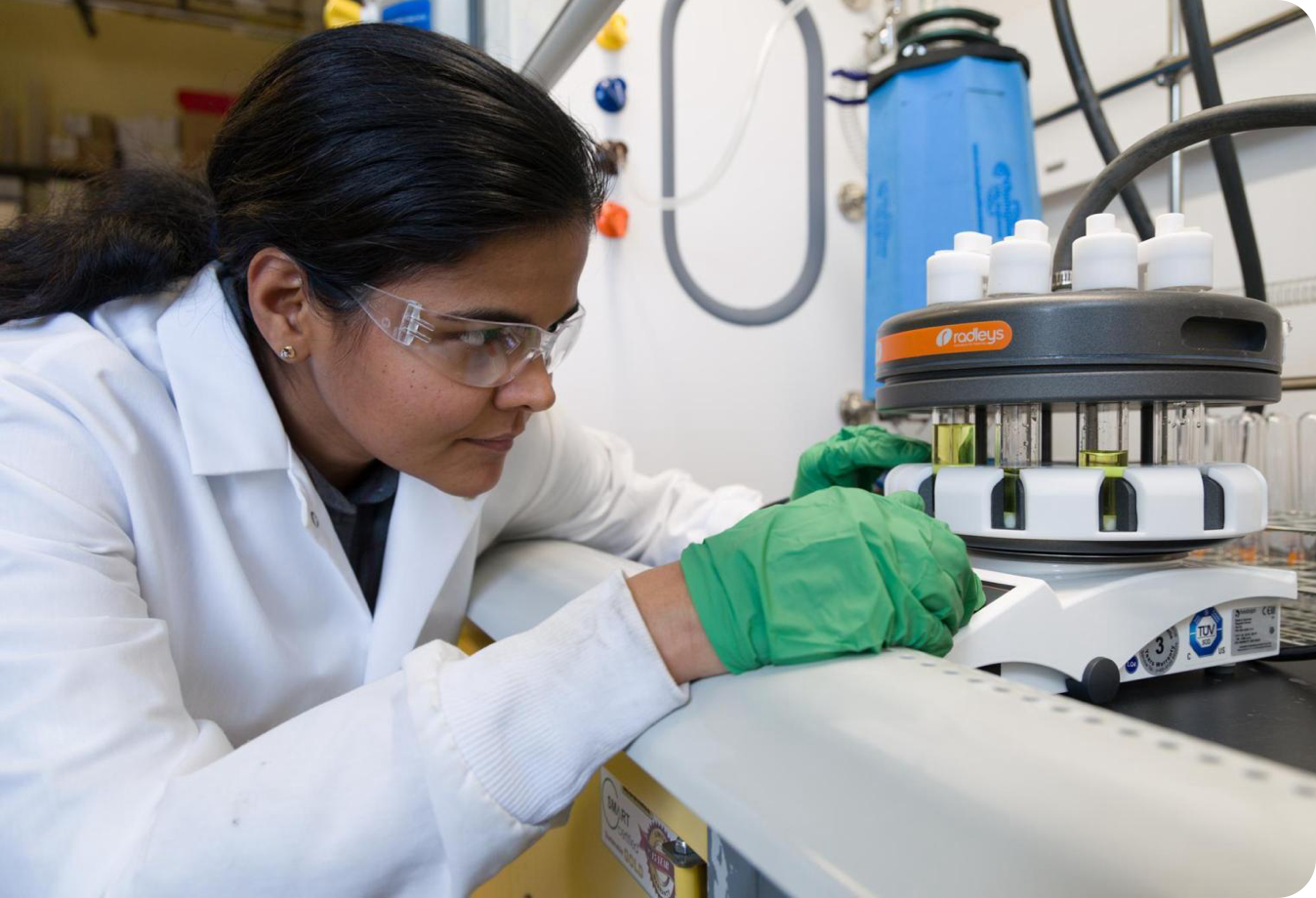
Space Economy
Mines advances research in space resources, autonomous systems, propulsion and the materials and infrastructure required for sustained off-planet activity.
Quantum
Quantum
Mines accelerates innovation in quantum materials, quantum engineering, sensing and the applied research needed for secure communications and next-generation defense technologies.
Climate and Carbon Sequestration
Climate and Carbon Sequestration
Mines provides world-class expertise in carbon capture, geologic storage and climate-aligned energy systems, enabling pathways to reduce emissions and global decarbonization.
Test
/filters:format(webp)/prod01/channel_6/media/minesedu/site-assets/images/facilities/Payne-Institute-for-Public-Policy.jpg)
The Payne Institute for Public Policy is dedicated to advancing informed dialogue on energy, natural resources, and environmental policy. By leveraging a unique position at the nexus of technology and governance, the institute provides data-driven insights for governments, industry, and civil society worldwide.
/filters:format(webp)/prod01/channel_6/media/minesedu/site-assets/images/facilities/Energy-Modeling-Lab.JPG)
The Energy Modeling Lab develops state-of-the-art reservoir modeling technology and advanced simulation tools for research, teaching, and field application in subsurface energy and natural resources, and environmental science and engineering. Led by Professor Yu-Shu Wu, the lab’s current focuses include carbon sequestration modeling, unconventional reservoir dynamics, geothermal reservoir simulation, and coupled process models for hydraulic fracturing.
/filters:format(webp)/prod01/channel_6/media/programs-grad-cmi.jpg)
The Critical Materials Innovation Hub is one of five nationally designated DOE Energy Innovation Hubs. Modeled on the Manhattan Project and AT&T’s legendary Bell Laboratories, the DOE Energy Innovation Hubs are integrated, multidisciplinary research centers that combine basic and applied research with engineering to accelerate scientific discovery and address critical energy issues.
Led by Ames National Laboratory, the CMI Hub unites expertise from national laboratories, universities, and over 30 industry partners to address supply chain challenges for materials critical to the energy transition. CMI researchers aim to accelerate innovative, scientific, and technological solutions that develop resilient and secure supply chains for rare earth metals and other critical materials essential to the success of clean energy technologies. The CMI Hub conducts research in four key focus areas: enhancing and diversifying supply, developing substitutes, building a circular economy, and undertaking cross-cutting research.
10-Year CMI Hub Highlights
- 12 R&D 100 Awards
- 202 Invention Disclosures
- 50 U.S. Patents
- 20 Technologies Licensed
- 635 Peer-Reviewed Publications
- $80+ Million in Additional Government Awards
Federal Lab Partners